Stop Stink Bugs, Boxelder Bugs & Asian Lady Beetles Before They Take Over Your Home!
Pest Defender Program for Your Home
All pest control solutions begin with our comprehensive year-round maintenance program – just $49 per month.
Our Pest Defender Program includes the following services:
- Three Preventative Treatments: We perform services in Spring, Summer, and Fall (every 8-12 weeks).
- General Pests Covered: Hornets, Wasps, Yellow Jackets, Carpenter Bees, House Ants, Pavement Ants, Carpenter Ants, Spiders, Stink Bugs, Boxelder Bugs, Asian Lady Beetles and more.
- Year-Round Protection: Additional treatments are covered under the warranty. Wingman Pest Control will ensure your home stays pest-free all year round.
*Wingman Pest Control will ensure your home stays pest-free all year round.
Our Proven Process for Seasonal Pest Control
At Wingman Pest Control, we take a thorough approach to managing seasonal invaders like stink bugs, boxelder bugs, and Asian lady beetles. Our process focuses on eliminating existing pests, sealing entry points, and preventing future infestations. By combining targeted treatments with proactive measures, we ensure your home stays protected year after year.
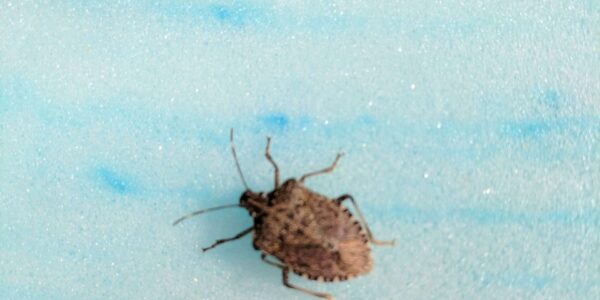
Step 1: Inspection & Assessment
For effective seasonal pest inspections, Wingman focuses on identifying entry points for stink bugs, boxelder bugs, and Asian lady beetles. We thoroughly examine exterior cracks, gaps, and openings around windows, doors, siding, and vents — as all three of these pests seek shelter indoors when temperatures drop in the fall. Our team inspects common indoor harborage areas like attics, wall voids, and basements, checking for live pests and signs of activity. We help protect your home from infestations and ensure a pest-free environment.
Following the inspection, we move swiftly to the next step — targeted treatment.


Step 2: Service You Can Count on Until the Job is Done
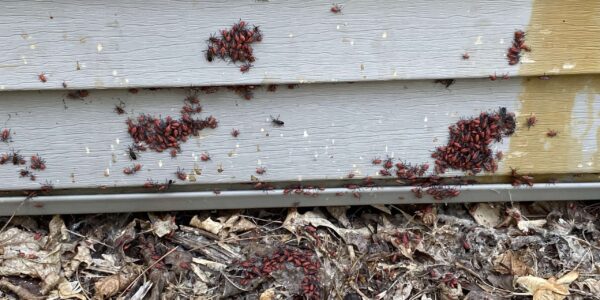
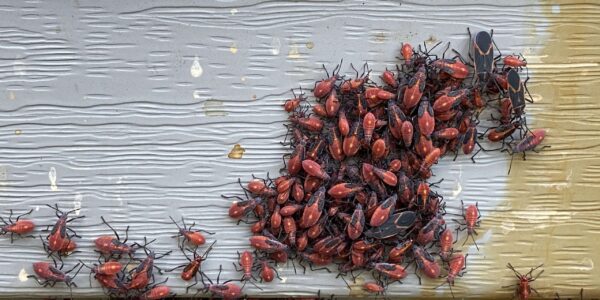
To effectively manage stink bugs, boxelder bugs, and Asian lady beetles, we apply targeted insecticide treatments to the exterior — particularly during late summer to early fall — to provide both immediate contact kill and long-lasting residual protection. All three of these pests share a common behavior: they congregate on sun-warmed exterior walls before squeezing inside through small cracks and gaps, making perimeter treatments especially critical. Regular vacuuming can help remove pests that have already infiltrated your home, while the use of sticky traps indoors can capture any remaining insects. For long-term prevention, it is essential to perform outdoor perimeter treatments before pests begin seeking warmth in the fall, significantly reducing the risk of infestation. Should the problem persist or escalate, our professional pest control team provides customized solutions and targeted treatments to effectively manage infestations both inside and outside your home.


Step 3: exclusion and recommendations
Our pest control technician conducts comprehensive inspections to identify potential entry points for stink bugs, boxelder bugs, Asian lady beetles, and other pests. This includes examining structural vulnerabilities such as gaps around utility lines, foundation openings, roof penetrations, and other access points that could allow pests to enter your home. Because stink bugs and Asian lady beetles are particularly attracted to the upper portions of structures, we pay special attention to roof lines, attic vents, and soffits in addition to ground-level entry points. Boxelder bugs, meanwhile, are closely tied to boxelder, maple, and ash trees — so we also recommend trimming back any of these trees that touch or overhang your home to reduce harborage near your structure. We also recommend maintaining cleanliness around your foundation by removing debris, leaves, and clutter that can attract pests. For more specialized sealing recommendations, we offer a follow-up consultation with our wildlife inspection team. Please note, this consultation is a separate service and comes at an additional cost. By combining our pest control strategies with detailed property inspections and expert sealing solutions, we provide a thorough, long-term approach to managing these pests.
Why Choose Wingman?

Expert Inspections
We identify key entry points and infestation areas with precision.
Long-Term Results
Our treatments not only remove existing pests but also prevent future invasions.
Local Knowledge
Serving Southeast Michigan, we understand the seasonal challenges these pests pose.

FAQ'S
Got Questions? We’ve Got Answers!
Seasonal pest problems can be frustrating, but we’re here to make the process simple. From understanding how pests get inside to learning the best prevention methods, we’ve compiled answers to the most common questions about stink bugs, boxelder bugs, and Asian lady beetles. Our goal is to ensure you feel informed and confident about keeping your home pest-free all year long.
As the weather cools in the fall, stink bugs, boxelder bugs, and Asian lady beetles all make their way into homes in search of a warm place to overwinter. They can slip through tiny cracks and gaps around windows, doors, vents, walls, and the foundation. All three species are drawn to light and warmth, making sun-facing walls and areas around windows and doors common entry points. These pests can also find their way into attics and living spaces through roof vents, chimneys, or damaged seals, and through cracks around utility lines or foundation openings.
Boxelder bugs mostly feed on the seeds, sap, and leaves of boxelder trees, but they also enjoy other maples, ashes, and fruits like apples, cherries, and plums. Asian lady beetles mainly eat aphids, scale insects, and mealybugs, along with the eggs of moths and butterflies. Stink bugs, on the other hand similar to the box elder bugs, suck the juices from a variety of plants, including fruits, berries, beans, and vegetables, and are especially damaging to crops like apples, peaches, and tomatoes. During the winter months, seasonal invaders like boxelder bugs, Asian lady beetles, and stink bugs enter a state of dormancy known as diapause. In this period, they stop eating and become inactive as they seek shelter indoors to survive the colder temperatures. They rely on the warmth of homes and buildings to stay safe until spring arrives.
During the winter, seasonal invaders like stink bugs enter your home at the end of fall to escape the cold. They overwinter inside, but on warmer days, they may become active and move around due to temperature fluctuations, even though they’re meant to remain dormant. Seasonal invading insects, like stink bugs and boxelder bugs, often hide in wall voids, attics, and other tight, warm areas of your home to stay protected from the cold during the winter months.
As a homeowner, the best way to deal with pests is to stop them from getting in in the first place. Make sure your window screens, doors, and other entry points are in good shape to keep pests outside. If you’ve already got pests inside, a quick vacuum can help get rid of them. You can also use soapy water in a shallow dish or bottle to trap and remove any stragglers. For added peace of mind, we offer sealing inspections to help identify and fix any spots where pests might be getting in. We're here to help you keep your home pest-free with simple, effective solutions.
The boxelder bug is named for its common presence on female box elder trees, though it also feeds on various seed-bearing trees, with silver maples being the next most common. It specifically targets female trees because male trees don’t produce seed pods. Occasionally, it will also feed on apple and plum fruits.
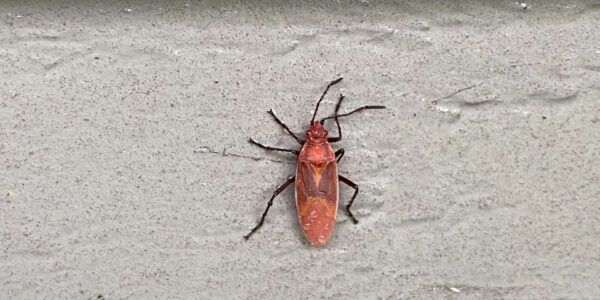
Stink bugs release a foul odor as a defense mechanism when they feel threatened. They have special glands in their thorax that produce this strong-smelling chemical, which serves as a warning to predators to stay away. Essentially, the smell is their way of saying, "Don't eat me!" Not everyone can smell stink bugs, and the scent can vary from person to person. Some people might not notice it at all, while others might find it more intense or have a different perception of the odor.
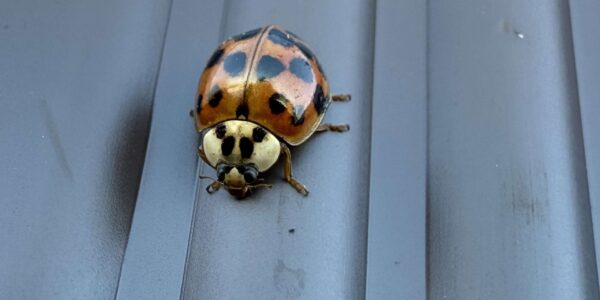
Ladybugs are bright red, while Asian lady beetles are orange or yellow, with ladybugs typically having 11 black spots and Asian lady beetles about 19. Both are similar in size and tuck their wings, but Asian lady beetles have a black "M" shape on their heads, which ladybugs lack (though it can be hard to spot). Asian lady beetles are also more aggressive and often travel in groups. Additionally, Asian lady beetles, box elder bugs, and stink bugs can all emit a foul odor as a defense or when crushed.
TestimonialS
Here’s what our Insect control customers say:
Rob is very thorough and cares about all his clients. He also tries to explain everything so everyone can understand what is going on and what is going to happen.
Becky Justin⭐⭐⭐⭐⭐
Wingmans responded quickly to our request for a rodent inspection after we identified mice in our garage. The inspection was incredibly thorough and the inspector’s report was detailed with photos as well as next steps for prevention. Once the preventive repairs were made to our home and garage, our issue with the mice was immediately resolved. Additionally, the servicemen who took care of our property were knowledgable, effectively communicated the problem and solutions, and completed services within the time frame they had planned. I can’t recommend enough this group’s professionalism and effectiveness - especially when compared with larger corporate pest companies.
Ben Freeburn⭐⭐⭐⭐⭐
Wingman has done a great job for us! First of all, they bat-proofed our house, then we contracted them for insects and our earwigs and spiders have virtually disappeared! Rob even found a bees nest in our landscaping which he immediately took care of. Highly recommended!

Wingman is a great company! We would recommend them to anyone needing a professional and knowledgeable company to remove mice/bats. All their staff are so pleasant to work with and happy to explain everything in complete detail. I rate them A+
Joanne McGehee⭐⭐⭐⭐⭐
I was very impressed with Wingman Pest Control! Quick turnaround from the initial inquiry, competitive pricing, and great communication and follow-up. And of course, the wasps are gone!

Knowledgeable, Friendly and Great Service.
Karen Wahl⭐⭐⭐⭐⭐
Rob at Wingman has been coming to my residence for years. He is always helpful, professional, and courteous. I highly recommend Wingman.

Had Rob and a second crew member out today to remove an empty hornet nest. When I mentioned my son wanted to watch, the guys went above and beyond to show my kids how the nest was made and all about the wasps. Very cool science lesson. Super kind guys and thoughtful to take extra time for my kids! Would recommend highly.
Jennifer Polet⭐⭐⭐⭐⭐
Wingman is the best! Rob does an excellent job!! We have recommended Wingman to our friends and neighbors.
Madeline Alestra⭐⭐⭐⭐⭐
Keep Your Home Pest-Free All Season Long
Don’t wait until your home is overrun with stink bugs, boxelder bugs, or Asian lady beetles. These seasonal invaders may seem harmless individually, but they can quickly become overwhelming when they swarm in large numbers — and some, like Asian lady beetles, can even bite or leave staining secretions behind. Our expert team provides proactive treatments and proven prevention strategies to stop all three pests before they get inside. With our seasonal pest control solutions, you’ll enjoy a comfortable, pest-free home — no matter the time of year. Contact Wingman Pest Control today and take the first step in protecting your home from seasonal invaders!